
Common Types of Personal Injury Cases and How to Pursue Compensation
Personal injury cases encompass a broad spectrum of accidents and incidents that result in harm to an individual’s body and mind, due to someone else’s negligence or wrongdoing. From slip and fall accidents to car collisions, these incidents can have far-reaching consequences, including physical pain, emotional distress, and financial burdens. In this article, we’ll explore some of the most common types of personal injury cases and discuss how individuals can pursue compensation for their losses.
- Car Accidents: Perhaps the most prevalent type of personal injury case, car accidents can cause severe injuries, or even death, ranging from whiplash and broken bones to traumatic brain injuries and paralysis. To pursue compensation after a car accident, individuals should gather evidence such as police reports, witness statements, medical records, and photographs of the accident scene. It’s also crucial to notify insurance companies promptly and seek legal representation to navigate the complex claims process.
- Slip and Fall Accidents: Slip and fall accidents occur when someone slips, trips, or falls due to hazardous conditions on someone else’s property, such as wet floors, uneven surfaces, or inadequate lighting. To pursue compensation in a slip and fall case, the injured party must prove that the property owner was negligent in maintaining safe premises. This may involve documenting the hazardous condition, obtaining witness testimony, and demonstrating the extent of the injuries sustained.
- Medical Malpractice: Medical malpractice occurs when healthcare professionals fail to provide the standard of care expected in their profession, resulting in harm to the patient. Examples include surgical errors, misdiagnosis, medication mistakes, and birth injuries. Pursuing compensation in a medical malpractice case requires expert testimony from medical professionals to establish the standard of care and demonstrate how it was breached.
- Wrongful Death Claims: Wrongful death claims arise when the negligence or misconduct of another party results in the death of an individual. These cases can involve fatal car accidents, medical malpractice leading to death, dangerous premises causing fatal accidents, and more. Pursuing compensation in a wrongful death claim typically involves proving the negligence of the responsible party and seeking damages on behalf of the deceased person’s estate and surviving family members.
In any personal injury case, pursuing compensation involves several key steps:
- Seek Medical Attention: The first priority after sustaining an injury is to seek medical attention promptly. Not only is this crucial for your health and well-being, but it also establishes documentation of your injuries, which is essential for pursuing compensation.
- Gather Evidence: Collect as much evidence as possible to support your claim, including photographs, witness statements, medical records, and any other documentation relevant to the incident.
- Notify Relevant Parties: Notify the appropriate parties, such as insurance companies, employers, or property owners, about the incident and your intent to pursue compensation.
- Consult with a Personal Injury Attorney: Enlisting the help of an experienced personal injury attorney can greatly enhance your chances of obtaining fair compensation. An attorney can provide legal guidance, negotiate with insurance companies, and represent your interests in court if necessary.
In conclusion, personal injury cases can arise in various contexts and can have significant physical, emotional, and financial implications for the individuals involved. By understanding the common types of personal injury cases and the steps to pursue compensation, individuals can better protect their rights and seek the justice and compensation they deserve. If you or a loved one has been injured due to someone else’s negligence or wrongdoing, don’t hesitate to seek legal advice and explore your options for pursuing compensation.
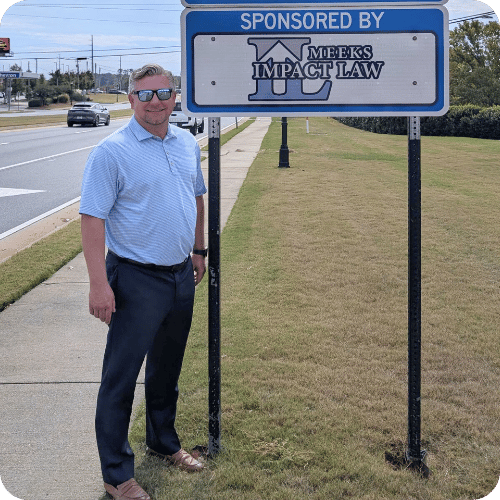
.png?width=500&name=B%20and%20Z%20photos%20(16).png "Meek Impact Law Supports the Forsyth Community with a food drive")
.png?width=500&name=B%20and%20Z%20photos%20(19).png "Meeks Impact Law Sponsors School Children")


.png?width=500&name=B%20and%20Z%20photos%20(18).png "Meeks Impact Law Supports Another Food Drive for Cumming Community")
.png?width=500&name=B%20and%20Z%20photos%20(20).png "Meeks Impact Law Supports Special Needs Adults in our community")
About our team
At Meeks Impact Law, our team shares one purpose: helping people through some of the hardest moments of their lives. We take pride in the small firm difference, where every client matters, every case receives personal attention, and our team works closely together to make sure no one feels lost in the process.
FAQs
First, make sure everyone is safe and call 911 to report the crash. Get medical attention, even if you feel fine, since some injuries take time to appear. If possible, gather photos, witness names, and insurance details. Then, contact a Georgia personal injury lawyer before speaking with the insurance company. Early legal guidance can help protect your rights and preserve valuable evidence.
The time limit to file a personal injury lawsuit in Georgia, known as the statute of limitations, can vary depending on the type of accident and injury. For example, car wrecks, wrongful death cases, and injuries on unsafe property may all have different filing deadlines.
Because important evidence can disappear quickly, it is always best to contact our office as soon as possible after an accident. From the start, we work to preserve key evidence, ensure you are receiving the comprehensive medical care you need, and handle communication with insurance companies so you can focus on recovery while we focus on protecting your case.
In many Georgia personal injury cases, the statute of limitations is two years from the date of the accident, but certain circumstances can shorten or extend that timeline. Talk to our team to determine the statute of limitations related to your circumstances and how we can step in to help, today.
Every case is different. Some settle within a few months, while others take longer depending on the extent of your injuries, medical treatment, and negotiations with the insurance company. Our goal is always to move your case forward efficiently while protecting the full value of your claim.
The timeline can also be affected by external factors such as court scheduling, insurance companies delaying responses, or bad actors trying to avoid accountability. Even when the process takes time, our team stays proactive so you can focus on healing while we handle the rest.
Throughout the process, we make communication simple and consistent. You’ll receive regular updates on your case and have easy access to our team through a secure app right on your phone. It includes texting-style messaging and case updates at the touch of a button, so you’re never left wondering where things stand. Of course, we’re always happy to talk with you directly by phone whenever you prefer.
It’s common for insurance companies, or even the at-fault party, to offer quick compensation after an accident. These early offers are often made before the full extent of your injuries, medical costs, or long-term needs are known. Accepting too soon can prevent you from recovering the full amount you’re entitled to.
Even if someone offers you money at the scene of the accident, that does not necessarily mean you don’t have a case. In many situations, those offers are an attempt to limit future liability. Our team can review the facts, explain your options, and help you understand what your claim may truly be worth before you make any decisions.
All of our personal injury cases are handled on a contingency fee basis, meaning there are no upfront costs to get started. We only collect a fee if we secure an offer off recovery for you. This approach keeps our interests aligned with yours and ensures that we only succeed when you do. Every fee agreement is explained in writing before representation begins so you can make an informed decision with confidence.
Getting started is simple. Reach out for a free consultation so our team can review your situation and help you understand your options. We will guide you through each step with clarity and care, answer your questions, and explain how we can begin building your case right away.
You can call (678)-341-5212, email Intake@meeksimpactlaw.com, or submit a message through our contact form to get started today.