How to Determine Liability in Accidents Involving Autonomous Vehicles
While self-driving cars promise increased safety by reducing human error, they aren’t perfect. Accidents still happen, and determining fault can be complicated when they do. Liability in autonomous vehicle crashes involves multiple factors. Determining liability is critical for anyone impacted by such an accident.
Accidents involving autonomous vehicles (AVs) can occur in various ways: as a rider in an autonomous rideshare vehicle, as a driver of an AV with varying degrees of responsibility depending on the vehicle’s level of automation, or as a victim of a third-party AV negligently responsible in an accident. Understanding these nuances is essential for addressing liability.
Once liability is established, additional steps are necessary to ensure you maximize your recovery. Learn more about accidents involving autonomous vehicles below or jump into a free case evaluation to get your questions answered and peace of mind back.
What is an Autonomous Vehicle?
An autonomous vehicle (AV), often called a self-driving car, is equipped with technologies that allow it to operate with little or no human input. These vehicles rely on sensors, cameras, radar, lidar, and artificial intelligence systems to navigate roads, detect obstacles, and make driving decisions.
For a deeper dive into how this technology works, check out this helpful page by the National Highway Traffic Safety Administration on autonomous vehicle technology.
Understand the Levels of Automation
The first step in determining liability is understanding the type of automation the vehicle uses. The Society of Automotive Engineers (SAE Levels of Automation) has established a widely accepted scale from Level 0 to Level 5:
- Level 0: Fully human-controlled vehicles with no automation.
- Levels 1-2: Partially automated systems, like adaptive cruise control, where drivers remain actively engaged.
- Levels 3-5: Higher degrees of automation, with vehicles taking on increasing responsibility. At Level 5, vehicles are fully autonomous.
Liability often hinges on how much control the human driver had—or should have had—at the time of the crash. For example, if the car is a Level 2 vehicle, the driver is typically required to monitor the road and intervene. If drivers fail to take control when prompted or are distracted during critical moments, they might bear some or all responsibility. On the other hand, for Level 4 or 5 vehicles, responsibility may shift toward the manufacturer or software developer.
In every case, additional nuances will be explored and considered by the insurance companies and other parties involved. That’s where having a dedicated team fighting for you can make all the difference.
Investigate the Vehicle’s Technology and Data Logs
When higher-level AVs (Levels 3-5) are involved in accidents, professionals evaluate the vehicle’s technology and extensive data logs to determine fault. This process may include examining:
- Sensor or camera malfunctions: Issues with the vehicle’s radar, lidar, or cameras.
- Software errors: System misinterpretations of data or failure to respond appropriately to road conditions.
- Maintenance and updates: Neglected software updates or unaddressed recalls that could shift liability to the vehicle’s owner.
- Data logs: Key insights, such as the vehicle’s speed and movements, sensor readings, warnings issued, or manual overrides, can clarify what occurred.
Collaboration between legal professionals, engineers, and accident reconstruction experts is crucial to untangle these technical issues and build a strong case.
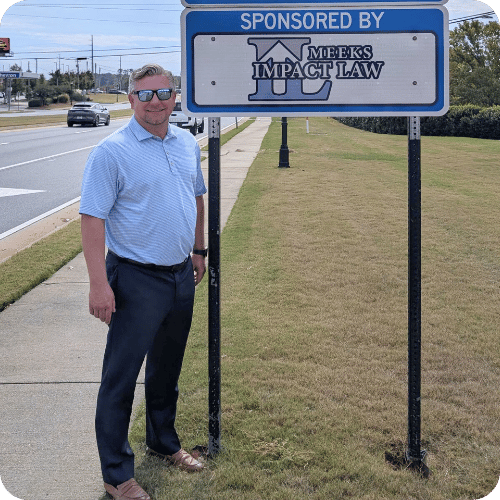
.png?width=500&name=B%20and%20Z%20photos%20(16).png "Meek Impact Law Supports the Forsyth Community with a food drive")
.png?width=500&name=B%20and%20Z%20photos%20(19).png "Meeks Impact Law Sponsors School Children")

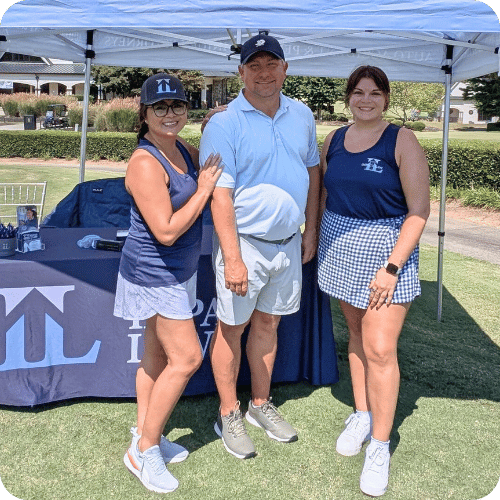
.png?width=500&name=B%20and%20Z%20photos%20(18).png "Meeks Impact Law Supports Another Food Drive for Cumming Community")
.png?width=500&name=B%20and%20Z%20photos%20(20).png "Meeks Impact Law Supports Special Needs Adults in our community")
About our team
At Meeks Impact Law, our team shares one purpose: helping people through some of the hardest moments of their lives. We take pride in the small firm difference, where every client matters, every case receives personal attention, and our team works closely together to make sure no one feels lost in the process.
Consider Manufacturer Responsibility
Under product liability law, manufacturers may be liable if defects in the vehicle’s design, manufacturing, or warnings contributed to the accident. For example:
- Design defects: An unsafe self-driving system that lacks proper safeguards.
- Manufacturing defects: Faulty sensors, wiring, or hardware installed during assembly.
- Inadequate warnings: A failure to provide clear instructions about the car’s limitations and proper use.
In some cases, responsibility may also extend to software developers or third-party suppliers involved in the vehicle’s production. Each scenario requires a detailed investigation to determine fault.
Autonomous Vehicle Crash? Let Meeks Impact Law Navigate the Complexities for You
As technology evolves, so do the complexities of determining fault in car accidents. Accidents involving autonomous vehicles can be particularly overwhelming, with questions about driver negligence, manufacturer responsibility, and software errors all coming into play.
At Meeks Impact Law, we understand the intricacies of product liability, negligence laws, and cutting-edge automotive technology. Our experienced team will thoroughly investigate your case, consult with industry experts, and fight to maximize your recovery.
Don’t navigate these challenges alone. Let us handle the legal complexities while you focus on healing. Contact us today for a free case consultation and take the first step toward securing the compensation you deserve.
FAQs
First, make sure everyone is safe and call 911 to report the crash. Get medical attention, even if you feel fine, since some injuries take time to appear. If possible, gather photos, witness names, and insurance details. Then, contact a Georgia personal injury lawyer before speaking with the insurance company. Early legal guidance can help protect your rights and preserve valuable evidence.
The time limit to file a personal injury lawsuit in Georgia, known as the statute of limitations, can vary depending on the type of accident and injury. For example, car wrecks, wrongful death cases, and injuries on unsafe property may all have different filing deadlines.
Because important evidence can disappear quickly, it is always best to contact our office as soon as possible after an accident. From the start, we work to preserve key evidence, ensure you are receiving the comprehensive medical care you need, and handle communication with insurance companies so you can focus on recovery while we focus on protecting your case.
In many Georgia personal injury cases, the statute of limitations is two years from the date of the accident, but certain circumstances can shorten or extend that timeline. Talk to our team to determine the statute of limitations related to your circumstances and how we can step in to help, today.
Every case is different. Some settle within a few months, while others take longer depending on the extent of your injuries, medical treatment, and negotiations with the insurance company. Our goal is always to move your case forward efficiently while protecting the full value of your claim.
The timeline can also be affected by external factors such as court scheduling, insurance companies delaying responses, or bad actors trying to avoid accountability. Even when the process takes time, our team stays proactive so you can focus on healing while we handle the rest.
Throughout the process, we make communication simple and consistent. You’ll receive regular updates on your case and have easy access to our team through a secure app right on your phone. It includes texting-style messaging and case updates at the touch of a button, so you’re never left wondering where things stand. Of course, we’re always happy to talk with you directly by phone whenever you prefer.
It’s common for insurance companies, or even the at-fault party, to offer quick compensation after an accident. These early offers are often made before the full extent of your injuries, medical costs, or long-term needs are known. Accepting too soon can prevent you from recovering the full amount you’re entitled to.
Even if someone offers you money at the scene of the accident, that does not necessarily mean you don’t have a case. In many situations, those offers are an attempt to limit future liability. Our team can review the facts, explain your options, and help you understand what your claim may truly be worth before you make any decisions.
All of our personal injury cases are handled on a contingency fee basis, meaning there are no upfront costs to get started. We only collect a fee if we secure an offer off recovery for you. This approach keeps our interests aligned with yours and ensures that we only succeed when you do. Every fee agreement is explained in writing before representation begins so you can make an informed decision with confidence.
Getting started is simple. Reach out for a free consultation so our team can review your situation and help you understand your options. We will guide you through each step with clarity and care, answer your questions, and explain how we can begin building your case right away.
You can call (678)-341-5212, email Intake@meeksimpactlaw.com, or submit a message through our contact form to get started today.